




Cette annonce vous intéresse ?
Are you interested in this Ad ?


Vos annonces vues par
plus de 4 millions de collectionneurs
 Créer une alerte



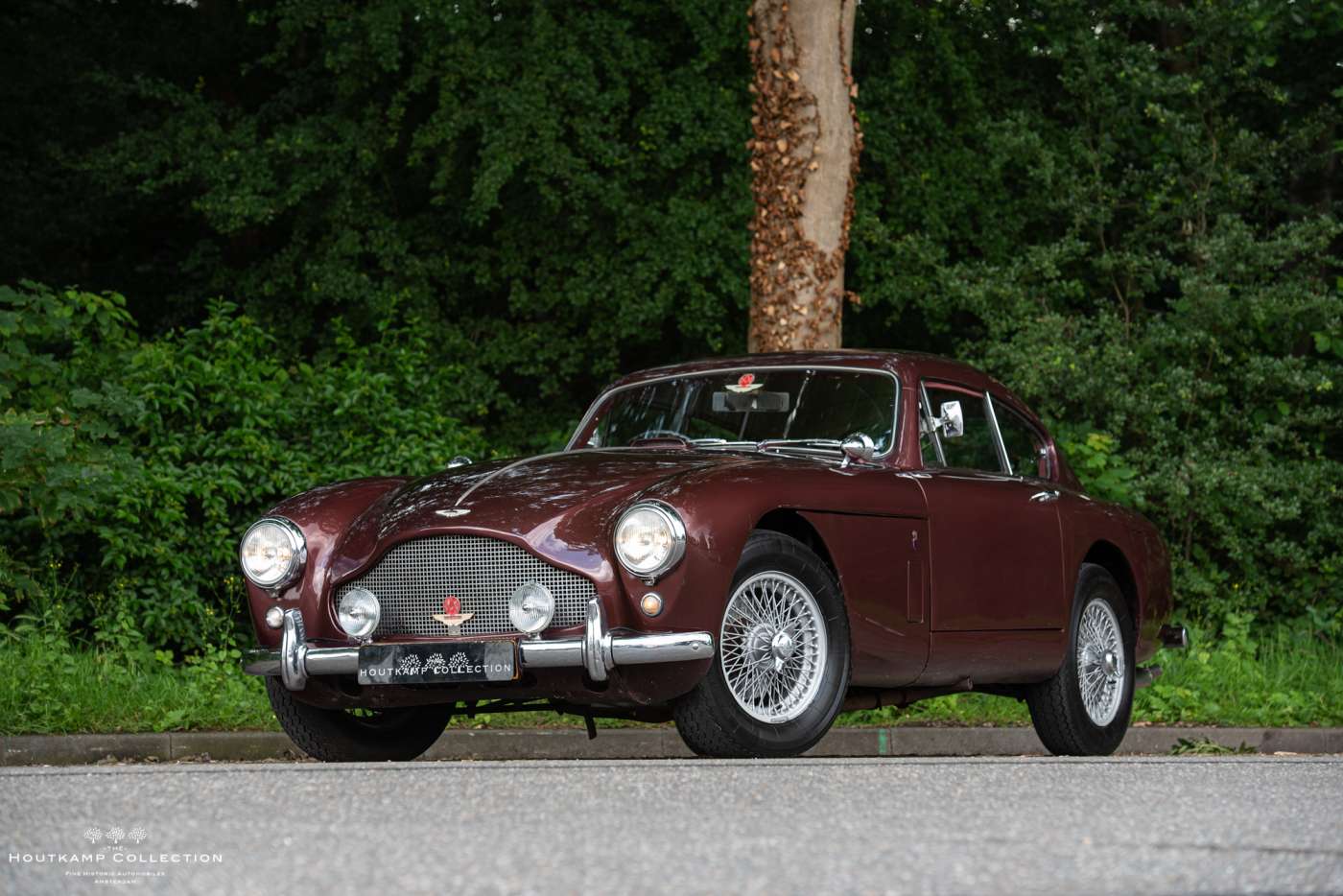
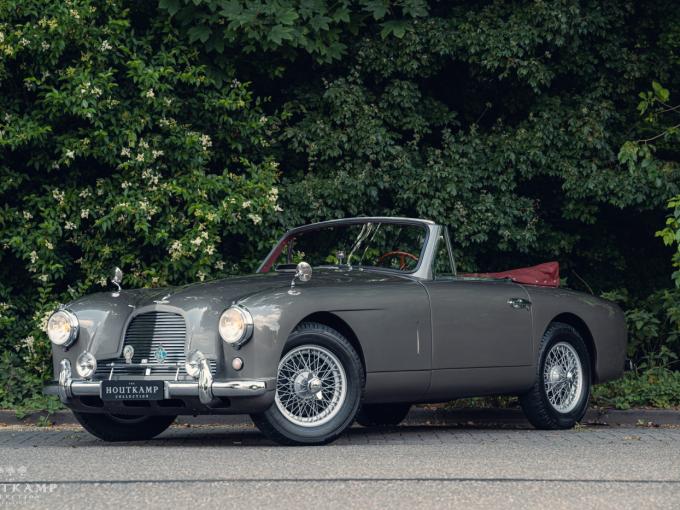
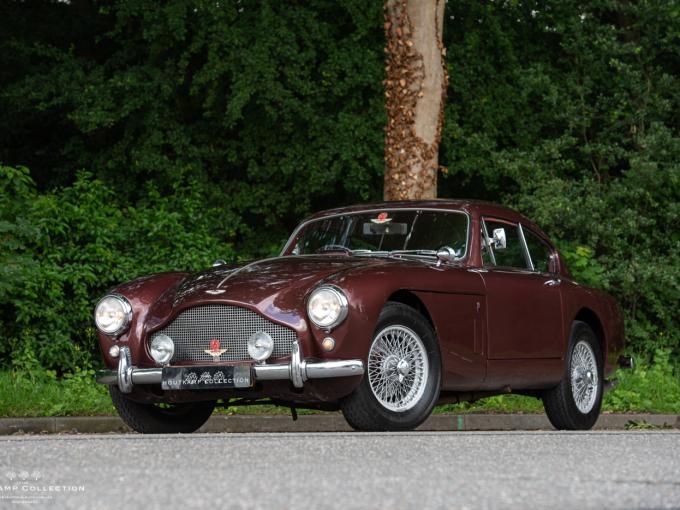
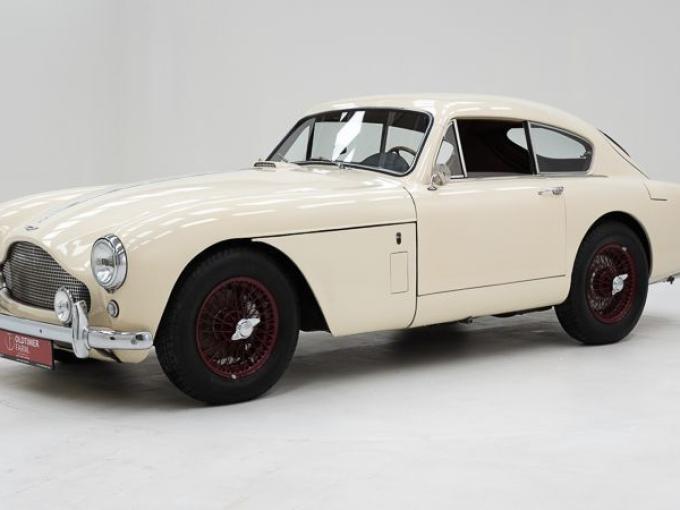
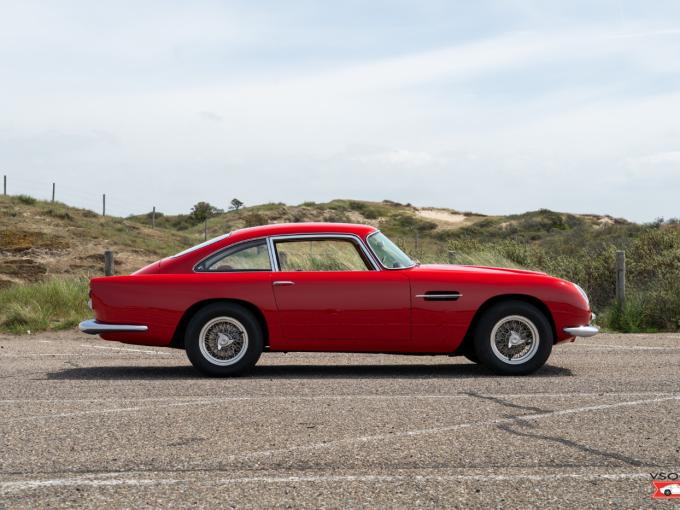
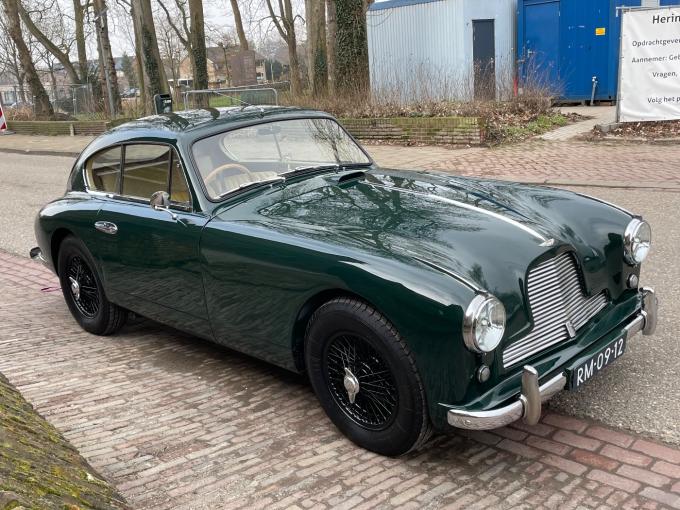
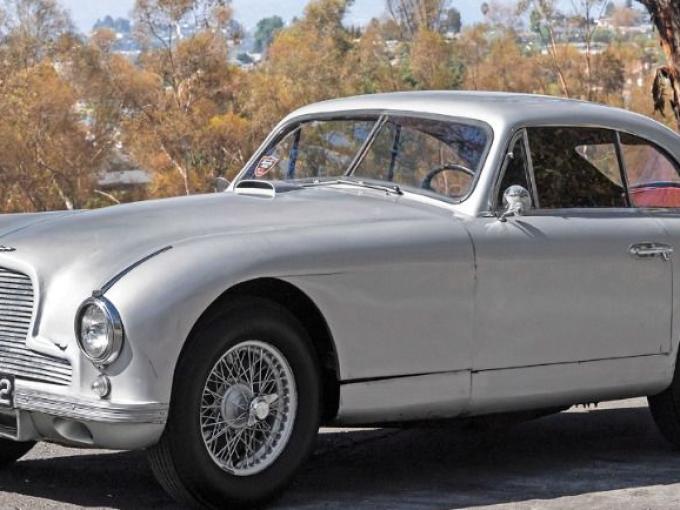
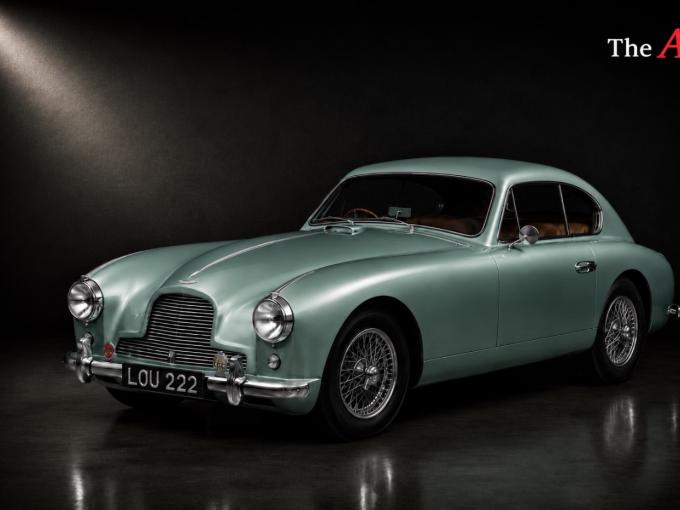
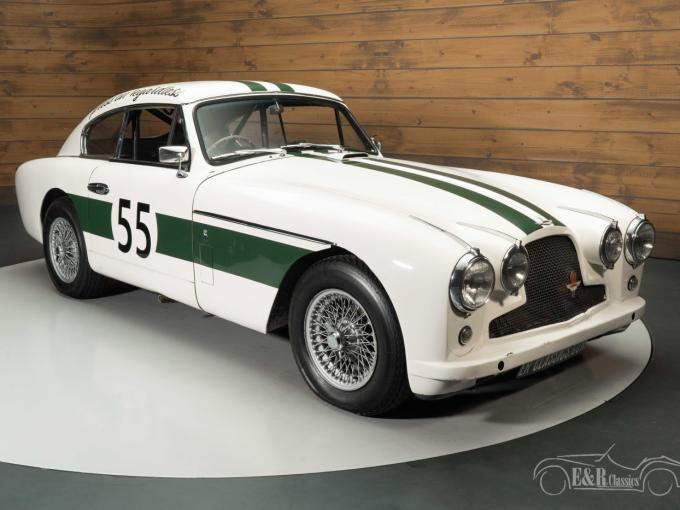
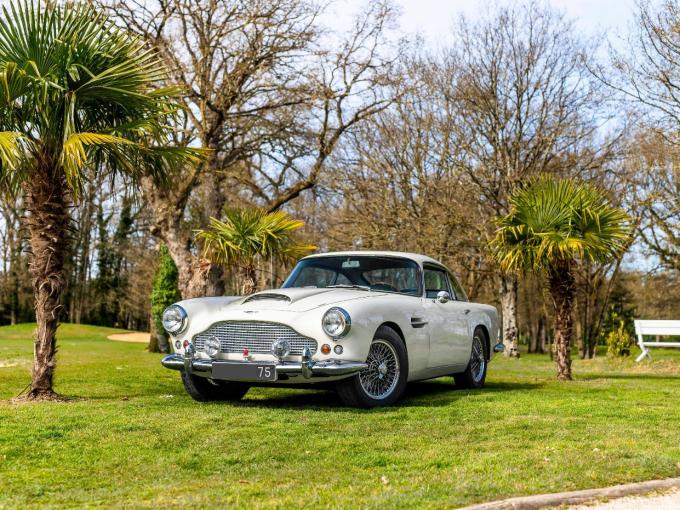
Aston Martin DB 2/3 MKIII
- Avec seulement 551 exemplaires produits, la DB Mark III compte parmi les Aston Martin d'après-guerre les plus rares.
- La MK III a inauguré la nouvelle calandre caractéristique d'Aston Martin, inspirée de celle de la DB3S de… compétition.
- Moteur six cylindres de 2 922 cm³ à double arbre à cames en tête.
- Le premier modèle Aston Martin associé à James Bond, avant que la DB5 ne devienne une légende du cinéma.
- Équipée de freins à disque à l'avant.
- Un exemplaire orienté vers le pilotage, ayant pris part à divers rallyes.
- Sa participation à des rallyes et à des événements automobiles a nécessité une préparation et un entretien réguliers pour garantir sa fiabilité, tout problème mécanique étant traité dès que nécessaire.
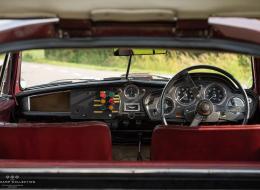
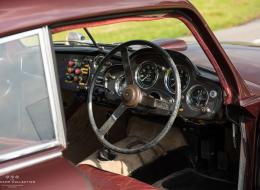
- Les sièges en cuir semblent avoir conservé leur sellerie d'origine, une caractéristique de plus en plus rare et très prisée.
Renseignements sur demande par mail ou téléphone
Between 1955 and 1960, Aston Martin experienced one of the most important periods in its history.
Under the ownership of industrialist David Brown, the small British manufacturer was evolving from a specialist sports-car company into one of the world’s most prestigious makers of high-performance Grand Tourers.
In 1955, the company introduced the DB2/4 Mark II, an evolution of the successful DB2/4.
It retained the elegant 2+2 concept and the unusual rear hatch, while receiving a number of styling and mechanical refinements.
The DB2/4 Mark II remained in production until 1957, when Aston Martin presented its most refined development of the original DB2 family: the DB2/4 Mark III, usually known simply as the DB Mark III.
Introduced in March 1957, the DB Mark III represented much more than a simple facelift.
Its most important visual feature was the elegant new radiator grille inspired by the racing DB3S and designed by Tickford’s Bert Thickpenny.
The dashboard was redesigned as well, with the main instruments grouped directly in front of the driver.
Under the bonnet was the famous 2,922 cc Lagonda-derived twin-cam straight-six, extensively redesigned by Polish engineer Tadek Marek.
Performance was impressive for a luxury road car of the late 1950s. In standard form the Mark III was capable of approximately 120 mph (193 km/h), with 0–60 mph taking around 9.3 seconds.
The DB Mark III was produced from 1957 until July 1959, overlapping briefly with its successor, the DB4.
Just 551 examples were built, making it a rare automobile even by Aston Martin standards.
Approximately 462 were 2+2 saloons, with their distinctive rear hatch, while 84 were elegant Tickford Drophead Coupés and only five Fixed Head Coupés were produced.
There is also an important connection with James Bond. Before the DB5 became a cinema icon, Ian Fleming gave Bond an Aston Martin in the 1959 novel Goldfinger.
The car was a DB Mark III, described by Fleming as a “DB III”, making the Mark III the first Aston Martin associated with James Bond.
By 1960, Aston Martin had entered the modern DB4 era, but the DB2/4 Mark III remained a particularly significant chapter in the company’s history.
ABOUT THIS SPECIFIC EXAMPLE
This particular Aston Martin DB Mark III, was first registered on 5 March 1958 in the UK.
On 21 March 1996, the car was first registered in the Netherlands, beginning another chapter in its history.
Today, it presents itself as a genuine driver’s example.
Rather than presenting as an immaculate, freshly restored example, this Mark III has the charm of a classic that can be used without hesitation.
Its exterior condition also creates an interesting opportunity for the next owner: it can be enjoyed exactly as it stands, preserving its authentic patina, or gradually improved according to personal preference.
Particularly noteworthy is the interior, where the leather seat upholstery appear to remain original and unrestored, adding a level of authenticity that is becoming increasingly difficult to find.
The current presentation is appropriately reflected in the attractive asking price, making this a particularly appealing proposition for the enthusiast looking for a DB Mark III to drive and enjoy.
EXTERIOR CONDITION
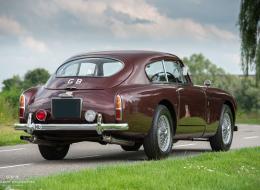
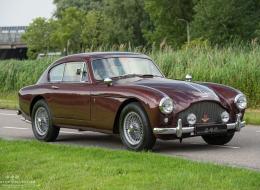
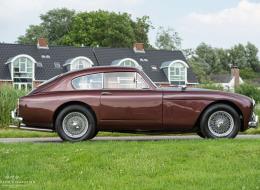
The bodywork presents well overall, retaining the elegant lines and proportions that make the DB Mark III such a distinctive 1950s Grand Tourer.
Naturally, closer inspection reveals cosmetic imperfections and age-related signs of use.
The paintwork shows some marks and blemishes acquired over the years, consistent with a car that has been regularly driven and enjoyed in rallies and touring events.
Far from detracting from its appeal, these details give the car an authentic and pleasantly lived-in character.
INTERIOR CONDITION
The interior is undoubtedly one of the most appealing aspects of this Aston Martin DB Mark III, offering a wonderful combination of originality, authenticity and carefully preserved period character.
Of particular note are the leather seats, which appear to retain their original upholstery.
DRIVING EXPERIENCE
This DB Mark III is first and foremost a car to be driven.
The driving quality of this DB Mark III reflects a life of regular use.
Its regular participation in rallies meant that the car was regularly maintained and prepared for each occasion, with anything not performing as it should being repaired, adjusted or improved when necessary.
The 2,922 cc twin-cam straight-six starts readily and delivers strong, smooth performance, accompanied by the unmistakable sound of an early Aston Martin.
With just 551 examples produced, the DB Mark III is among the rarer post-war Aston Martins.
Rare, historically significant and above all enjoyable to drive, this is an Aston Martin that invites continued use rather than static display.


url ann.

La newsletter de Classic Number vous informe chaque semaine de l’actualité des véhicules de prestige et de collection et des nouvelles annonces.
Pour la recevoir, indiquez votre adresse mail ci-dessous et cliquez sur Je m'inscris.
Vous pourrez à tout moment vous désabonner en suivant les instructions qui figurent au bas de chaque newsletter.
Les informations que vous nous transmettez sont destinées à l’usage exclusif de Classic Number.